


sa MARKET UPDATE
Electricity Prices
In October 2025, South Australia’s electricity market remained generally moderated thanks to high renewable penetration and battery support, although some volatility persisted. Average wholesale prices were lower than winter peaks, supported by strong midday rooftop solar and wind generation. However, evening demand periods remained sensitive, as solar output declines and wind variability can temporarily push spot prices higher. Gas and coal-fired power stations continued to provide reliable base-load supply, ensuring system stability.
Generation Mix
South Australia’s electricity generation in October came from gas, coal, wind, and solar, with renewable sources contributing approximately 55–60% of total supply. Rooftop solar remained a strong contributor during the day, while wind generation continued to be variable.
Key factors influencing supply and prices during the month included:
-
Torrens Island Power Station Unit 2 continued scheduled maintenance in early October, limiting gas-fired generation temporarily.
-
Local network constraints added pressure during high-demand periods, particularly in Adelaide and regional centres.
-
Wind generation fluctuations caused short-term price spikes, particularly during evening peaks when output dipped.
-
Rooftop solar output helped reduce prices during daylight hours, but sharp evening demand once solar declined contributed to higher spot prices.
-
Gas-fired generation met demand during low renewable output, adding cost pressures due to higher fuel costs.
-
Battery storage assets, including Dalrymple and Lake Bonney, continued to stabilise the grid by storing excess renewable energy during high output and discharging during peak demand.
Futures Pricing
We observed that forward electricity prices for South Australia in October 2025 showed moderate volatility:
-
Base month futures fluctuated by approximately ±10–13%, tracking general market trends.
-
Evening peak prices remained elevated, reflecting periods of low wind generation, reduced late-afternoon solar output, and high demand during evening peaks.
Overall, the market showed slightly more stability than September, though exposure to variable renewable output and network constraints remains significant.
what is means for your business
Energy costs in South Australia are generally more stable than other states, thanks to strong renewable generation and battery support. Midday rooftop solar helps reduce daytime pricing, but businesses can still face short-term price spikes during evening peaks, particularly when wind and solar output drops. Maintenance at key gas generators and local network congestion adds some uncertainty, meaning that relying solely on spot market prices can expose businesses to sudden cost increases.
Maintenance at key gas-fired generators and local network congestion adds further uncertainty, meaning that relying solely on spot market pricing can expose businesses to sudden and significant cost increases. For large energy users, this volatility can directly impact operational budgets, cash flow planning, and long-term procurement strategies. Businesses with substantial evening or continuous energy consumption, such as manufacturers, data centres, and food processing facilities, are particularly at risk, as they may face higher costs during periods of constrained supply.
If your business does not yet have a strategy in place, we can help. Contact us for a free bill check or to discuss a tailored energy procurement plan.


SA ELECTRICITY FUTURE PRICING CHARt
Torrens Island Power Station Operational Extension Secured
On 1 October 2025, the South Australian government reached an agreement with AGL to extend the operation of the Torrens Island B power station until 30 June 2028. This decision comes in response to ongoing delays on the New South Wales side of the Project Energy Connect interconnector, which had the potential to constrain energy flows between the states.
WHAT THIS MEANS FOR BUSINESSES
By securing this key generator, the state reduces the risk of sudden supply shortages that could trigger sharp price spikes, particularly during evening peak periods when solar and wind output may be limited. This provides greater price predictability, allowing businesses with substantial or continuous electricity demand, such as manufacturers, data centres, and food processing facilities, to plan budgets and operational schedules with more confidence. It also creates opportunities for longer-term energy procurement strategies, including negotiating power purchase agreements (PPAs) or flexible contracts that leverage the stability of this baseload supply.

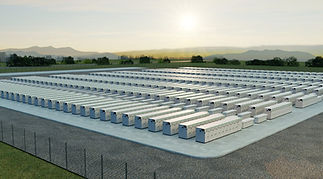
On 21 October 2025, South Australia launched a tender under the Firm Energy Reliability Mechanism (FERM), seeking approximately 700 megawatts (MW) of capacity from long-duration battery storage and flexible gas generators. This initiative supports the state's ambitious goal of achieving 100% net renewable electricity by the end of 2027.
Currently, South Australia derives about 75% of its electricity from wind and solar, making it one of the world's leading renewable grids. The FERM tender aims to bolster grid resilience by introducing eight-hour storage solutions, extending the duration of energy supply during evening peaks when renewable generation typically declines. Additionally, the state seeks to replace aging gas turbines that were originally designed to back up coal-fired power stations, ensuring continued reliability as fossil fuel-based generation diminishes.
WHAT THIS MEANS FOR BUSINESSES
This development signifies a strategic move towards a more reliable and stable energy supply. The introduction of extended-duration battery storage and modernised gas generation will mitigate the risk of supply shortfalls and price volatility, particularly during periods of low renewable output. This enhanced grid stability allows businesses to plan energy procurement with greater certainty, potentially leading to cost savings and improved operational efficiency.