


sa MARKET UPDATE
Electricity Prices
We’ve observed South Australia continuing to operate as one of the most renewable-intensive regions in the National Electricity Market (NEM). Strong wind and solar generation have supplied a large share of daytime demand, helping maintain system reliability while keeping wholesale pricing relatively soft.
The state’s generation mix remains highly weather-dependent. Variability in wind output continues to drive short-term price swings, reinforcing South Australia’s reputation as a market that can move quickly between very low and elevated pricing. In February, we saw frequent periods of low and occasionally negative daytime prices when renewable output was strong, highlighting opportunities for businesses with operational flexibility to reduce costs by aligning consumption with high renewable periods.
Wholesale Market Conditions
In February, South Australia’s wholesale electricity market continues to be strongly influenced by the interplay between high renewable output and the limits of dispatchable generation. During the day, strong wind and solar generation often created a surplus of supply, resulting in low and occasionally negative prices. This pattern provides a clear advantage for businesses that can schedule energy-intensive operations during daylight hours, capturing these cost benefits.
However, the market remains highly sensitive to weather-driven variability. Wind output, in particular, fluctuated throughout February, and even short periods of reduced wind generation caused sharp upward movements in spot prices. When solar generation tapers off in the late afternoon, the system increasingly relies on gas-fired generation and imports from Victoria to maintain stability. These transitions can trigger rapid price reversals, with the market shifting from surplus conditions during the day to tighter supply in the evening.
We also observed that battery storage is playing a more visible role in managing these swings. Batteries are consistently charging during periods of abundant renewable generation and discharging into the evening, helping to smooth some of the volatility. While this is not yet sufficient to fully eliminate the sharp evening peaks, it is gradually reducing the frequency and magnitude of extreme price events.
Transmission constraints remain another factor shaping the market. Certain network corridors can tighten supply during periods of high demand, amplifying evening price spikes.
Futures Market Outlook
Forward pricing in February has begun to stabilise, signalling a pause in the downward trend observed late last year. Historically, this point in the year often marks the start of longer-term upward movements as cooler months approach. For South Australian businesses approaching contract renewal, we see this as a strategic window to explore procurement options before pricing pressure potentially rises. Retailers are becoming more selective in the tenders they pursue, meaning early engagement can improve both competition and outcomes.
what is means for your business
For businesses in South Australia, February demonstrates that timing is increasingly important for controlling energy costs. Companies that can shift operations to daylight hours can take advantage of low wholesale prices driven by strong wind and solar output, reducing overall electricity expenditure. Conversely, energy use during late-afternoon and evening periods carries higher risk, as prices spike when renewable output falls and gas-fired generation or imports are needed to balance the system.
This pattern reinforces the value of flexible operations, demand management, and investment in on-site solar or battery storage, allowing businesses to smooth energy consumption and mitigate exposure to peak pricing. Businesses that plan around these daily price swings are better positioned to manage costs and protect themselves from the volatility that characterises South Australia’s increasingly renewable-driven market.
If your business does not yet have an active energy strategy in place, we can help. Contact us for a free bill check or to discuss a tailored energy procurement plan.


SA ELECTRICITY FUTURE PRICING CHARt
Battery Storage Revenue Surges in South Australia
In the first week of January 2026 (2–8 January), South Australian battery storage assets delivered the highest revenues per megawatt in Australia’s National Electricity Market (NEM), outperforming other states by a significant margin. According to Aurora Energy Research data, South Australian systems recorded revenue figures ranging from about AU$2,096/MW up to AU$14,271/MW over the week, reflecting the value of providing grid support when supply and demand were most in tension.
These results reflect the large price spreads between low‑cost daytime periods and higher evening peak prices, encouraging batteries to absorb excess generation during the day and discharge into peak demand times. This pattern has continued into February, with price volatility between daylight and evening intervals still creating meaningful arbitrage opportunities for storage operators, even as more storage capacity is commissioned across the state.
WHAT THIS MEANS FOR BUSINESSES
This performance highlights the ongoing intraday price gaps that characterise the local market. While daytime wholesale prices remain relatively low due to abundant wind and solar output, evening and shoulder‑period prices can be comparatively high, particularly when renewable generation fluctuates or declines. As a result, businesses with exposure to spot pricing or those operating heavy loads after sunset may continue to face elevated costs during those periods.
At the same time, the growing participation of battery storage is helping moderate extreme price spikes and improve overall system reliability. This trend supports broader market stability and smooths some volatility, but does not eliminate price risk entirely. For businesses that can shift load into lower‑priced daylight hours, implement demand response strategies, or engage with structured contract products that recognise time‑of‑use dynamics, these conditions present opportunities to reduce cost exposure and strengthen energy cost outcomes in South Australia’s evolving market.
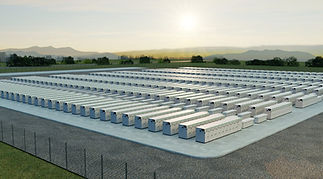

South Australia formally progressed its Firm Energy Reliability Mechanism (FERM) tender, marking a key step in strengthening system reliability as the state continues to operate with one of the highest renewable penetrations in the world. The FERM is designed to secure new firm, dispatchable capacity, such as long-duration battery storage, pumped hydro, gas-firmed generation, or demand response, that can supply electricity during periods when wind and solar output are low, particularly in the evening peak or during extreme weather events.
The tender focuses on ensuring South Australia has enough reliable backup capacity to support the grid as older thermal generation exits and renewable capacity continues to grow. By using a competitive tender process, the state aims to attract investment while keeping long-term system costs down, rather than relying solely on short-term market price signals.
WHAT THIS MEANS FOR BUSINESSES
For large energy users, the FERM tender is a positive signal for future price stability and reliability. Securing additional firm capacity helps reduce the risk of sharp price spikes during tight supply periods and lowers the likelihood of emergency market interventions. Over time, this should support more predictable wholesale pricing, particularly in the evening peak, and improve confidence for businesses when planning energy procurement strategies, long-term contracts, and operational expansion in South Australia.
A new five-year phase of the Retailer Energy Productivity Scheme (REPS2) began, continuing South Australia’s commitment to improving energy efficiency and productivity across both residential and commercial sectors. The scheme requires energy retailers to deliver energy-saving and productivity improvements at eligible business sites, helping reduce energy consumption, lower operating costs, and strengthen resilience to market volatility.
Under REPS2, businesses can access funded or partially funded upgrades such as efficient lighting, refrigeration, heating and cooling systems, industrial motors, and energy management controls. These measures not only reduce electricity and gas usage but also help businesses manage peak demand, improving performance during periods of high wholesale prices and evening peaks.
Participation in REPS2, for those with high energy consumption, can deliver long-term bill savings, improved equipment efficiency, and reduced exposure to price spikes. The scheme also supports South Australia’s broader energy transition, encouraging more effective use of renewable energy and distributed storage while stabilising grid reliability.
