


QLD MARKET UPDATe
Electricity market conditions in Queensland remained relatively stable through July, with wholesale prices continuing to benefit from strong underlying generation availability and high levels of renewable energy. While winter demand has lifted overall electricity consumption, the market remains well supplied, supported by reliable coal-fired generation, growing battery capacity, and Queensland's significant rooftop solar fleet.
Daytime wholesale prices continue to be heavily influenced by solar generation, with low and negative pricing common during the middle of the day. However, the transition into the evening remains the key period of market stress, as solar output declines and demand returns to the grid. These evening peaks continue to produce the majority of wholesale price volatility, although battery storage is beginning to moderate some of the sharpest price movements.
Key Market Drivers
Current Queensland electricity pricing is being influenced by several key factors:
-
Strong coal-fired generation continues to provide reliable baseload supply.
-
High rooftop and utility-scale solar output is suppressing daytime wholesale prices.
-
Increasing battery storage is shifting excess daytime solar into evening demand, reducing some peak price volatility.
-
Evening demand remains the primary driver of short-lived wholesale price spikes.
-
Gas-fired generation continues to provide firming during periods of high demand and lower renewable output.
-
Interconnector flows with New South Wales continue to support market flexibility, although import capability can tighten during peak periods.
Overall, the market remains well supplied, but pricing continues to be driven by the daily transition from abundant solar generation to evening peak demand.
Pricing Outlook
Forward market pricing remains relatively subdued compared with recent years, although volatility during peak demand periods is expected to continue through the remainder of winter.
Looking ahead:
-
Daytime wholesale prices are expected to remain low due to continued strong solar generation.
-
Evening peak periods will continue to account for most wholesale price volatility.
-
Coal-fired generation is expected to remain the dominant source of system reliability.
-
Battery storage will play an increasing role in reducing peak pricing as additional projects come online.
-
Gas-fired generation will continue to provide critical support during periods of low renewable output or elevated demand.
-
Short-duration price spikes remain possible during cold weather, generator outages or transmission constraints.
While average wholesale prices are expected to remain favourable, businesses should continue to monitor exposure to peak-period pricing
Supply Outlook – Generation & Infrastructure
Queensland’s supply outlook remains broadly sufficient, but conditions can tighten quickly when demand peaks or renewable output drops.
Key factors include:
Generator maintenance and availability:
-
Coal-fired power stations continue to provide the majority of Queensland's electricity supply.
-
Planned maintenance across several generating units has reduced reserve margins at times, although no material supply shortages have emerged
Gas reliance during peaks:
Queensland continues to rely more heavily on gas-fired generation during high-demand intervals, particularly in the evening peak when solar output falls away.
Storage expansion:
Battery projects are gradually increasing across the NEM, helping to reduce volatility by shifting excess daytime solar into evening demand. However, the impact in Queensland is still developing compared with southern states.
Network constraints:
Transmission limitations and congestion into Queensland can limit import capability from other regions, increasing exposure to localised price spikes during tight conditions.
Overall, while baseline supply is adequate, Queensland remains more exposed to short, sharp periods of volatility than most other NEM states.
Network Tariff Changes
Queensland's updated network tariffs, which took effect on 1 July 2026, continue to influence electricity costs for many commercial and industrial customers
While wholesale prices often receive the most attention, network charges can represent a significant portion of total electricity costs. In some cases, being on an unsuitable tariff structure can have a greater impact on overall bills than movements in wholesale energy prices.
These changes make it increasingly important for businesses to ensure their tariff structure aligns with their actual usage profile, particularly where consumption is heavily concentrated in peak or shoulder periods.
What This Means for Businesses
With electricity prices currently at four-year lows and new network tariffs having rolled out across Queensland, now is an ideal time to review your electricity arrangements to ensure your business is on the most cost-effective tariff and the best available market rates.
While many businesses focus on securing competitive energy rates, network charges can account for a significant portion of an electricity bill. As a result, being on the wrong network tariff can erode savings achieved through energy procurement.
A review of both contract position and network tariff structure can help identify savings opportunities and ensure arrangements remain suitable ahead of upcoming contract cycles and winter volatility.
For businesses without an active energy strategy, now is a practical time to reassess positioning before peak seasonal conditions place further pressure on the market.


QLD ELECTRICITY FUTURE PRICING CHARt

Supernode battery becomes Australia's largest on the NEM
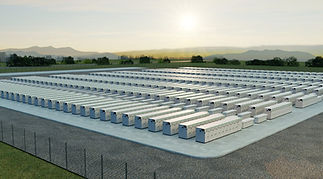
The second stage of Queensland's Supernode Battery Energy Storage System (BESS) has entered commercial operation, making it the largest operating battery connected to Australia's main electricity grid. Located at the South Pine substation north of Brisbane, the project is a significant milestone in Queensland's energy transition, strengthening grid reliability while increasing the state's ability to store and dispatch renewable energy. The project forms part of a larger multi-stage development that will continue to expand over the coming years.
Key elements:
-
The commissioning of Stage 2 makes Supernode the largest operational battery in the National Electricity Market (NEM).
-
The battery is strategically located at the South Pine substation, one of Queensland's most important transmission hubs, allowing it to provide system strength and grid support where it is most valuable.
-
Additional expansion stages remain under development, with the potential to increase capacity to around 1GW and 5,000MWh, subject to market demand.
What this means:
he expansion of Supernode further strengthens Queensland's electricity system by increasing the amount of energy that can be shifted from low-priced daytime periods into the evening peak. For businesses, this should contribute to improved grid reliability and gradually reduce the frequency and severity of wholesale price spikes during peak demand. While batteries are unlikely to eliminate volatility altogether, continued investment in storage is helping create a more stable and flexible electricity market, supporting greater integration of renewable energy and improving long-term pricing outcomes for commercial energy users.

Queensland sets new winter solar generation record
Queensland has set a new record for the share of solar generation in its electricity mix during the middle of winter, highlighting the rapid transformation of the state's electricity market. On 26 July, utility-scale solar supplied a record 38.2% of Queensland's electricity demand, while battery-stored energy also reached a new high. The milestone demonstrates that strong solar output is no longer confined to summer and is increasingly reshaping daytime market conditions throughout the year.
What this means:
Queensland's record winter solar output highlights the growing opportunity for businesses to reduce electricity costs by better aligning energy use with periods of abundant renewable generation. As solar continues to suppress daytime wholesale prices, businesses with flexible operating schedules, onsite solar or battery storage are well placed to benefit from lower energy costs.
Key implications include:
-
Record solar output continues to suppress daytime wholesale electricity prices.
-
Negative pricing events are becoming more common as solar generation exceeds daytime demand.
-
Battery storage is becoming increasingly important to capture excess solar generation and supply electricity during the evening peak.
-
Coal generation is operating more flexibly, reducing output during the middle of the day to accommodate high renewable generation.
-
Businesses with flexible energy use can benefit by shifting consumption to lower-priced daylight hours when solar output is highest.
-
The record reinforces Queensland's transition towards a more renewable electricity system, while highlighting the growing need for storage, demand response and network investment to manage increasing solar generation.