


sa MARKET UPDATE
Electricity Prices
South Australia’s electricity market continues to be one of the most dynamic and renewables-led in the National Electricity Market (NEM), with ongoing structural changes in generation, pricing, and system operation shaping both short-term volatility and longer-term cost outcomes.
Market conditions: softer averages, ongoing volatility
Wholesale electricity prices have generally eased compared to previous years, supported by consistently high wind and solar output across the state. This has increased periods of low and negative pricing, particularly during daytime solar peaks.
However, volatility remains a key feature of the SA market. When renewable output drops or interconnector flows are constrained, prices can rise sharply due to reliance on gas-fired generation as the marginal supply source. SA continues to experience some of the NEM’s most pronounced price spikes despite lower average prices.
This was highlighted in late June when South Australia experienced its most significant wind and solar drought in more than two years. The prolonged period of low renewable output increased reliance on gas generation, battery storage and imports, contributing to sharp wholesale price volatility.
Futures Pricing Outlook
Forward prices remain relatively soft, but focus is shifting from broad price direction to short-term seasonal movements.
As winter progresses:
-
Peak demand is expected to increase in South Australia
-
Solar output will remain lower during morning and evening trading windows
-
Gas generation may be required more frequently during peak periods
-
Low wind and solar conditions may trigger short-lived price spikes
Despite this, ongoing investment in renewables and battery storage continues to provide longer-term support to market stability.
Supply Outlook – Generation & Infrastructure
Electricity supply conditions in South Australia during June were characterised by several short-term operational events impacting availability and price outcomes.
Key events:
-
South Australia experienced its worst renewable energy drought in more than two years during 21–22 June, with wind generation falling to extremely low levels across parts of the state
-
Multiple periods of low wind output across the state during evening peak windows, reducing renewable contribution to system demand
-
Several instances of Heywood interconnector import constraints, limiting flows from Victoria during peak demand periods
-
Recurring reliance on gas-fired generation to meet evening peak demand, particularly during low wind intervals
-
Periodic high rooftop solar output during daytime, contributing to low and negative pricing conditions
-
Short-duration tight supply events during cold morning and evening peaks, where demand increased sharply relative to available wind generation
-
Occasional export-limited periods when Victorian system demand reduced available import capacity into SA
What it means for your business
With forward prices still relatively soft and network tariff changes now in effect, South Australian businesses are in a strong position to review their energy arrangements.
While wholesale pricing remains important, network charges and tariff alignment are increasingly critical in determining overall electricity costs.
A review of both contract position and network tariff structure can help identify savings opportunities and ensure arrangements remain suitable ahead of peak winter volatility and upcoming contract cycles.
For businesses without an active energy strategy, now is a practical time to reassess positioning before tighter seasonal conditions place further pressure on the market.


SA ELECTRICITY FUTURE PRICING CHARt
South Australia hit by worst renewable energy drought in more than two years
South Australia experienced its most significant wind and solar drought in more than two years during June, highlighting the challenges of managing a highly renewable electricity system during prolonged periods of low renewable output. The event occurred over 21–22 June, when calm, cloudy weather conditions caused both wind and solar generation to fall sharply across the region.
With renewable generation significantly reduced, the market relied heavily on gas-fired generation, battery storage, and interstate imports to maintain supply. The event triggered extreme wholesale electricity price volatility, with spot prices reaching the market cap during some trading intervals and ending a prolonged period of relatively stable market conditions.
Key developments:
-
South Australia experienced its worst renewable energy drought in more than 2 years
-
Low wind and solar output persisted across 21–22 June
-
Wholesale electricity prices surged during periods of tight supply
-
Increased reliance on gas generation, batteries, and interconnector support
-
Highlighted the importance of dispatchable generation and long-duration storage
What this means
While supply reliability was maintained, the event demonstrated how weather conditions can still have a significant impact on electricity markets, particularly in regions with high renewable penetration. Businesses exposed to spot market pricing or contracts linked to wholesale market movements may have experienced increased cost volatility during the period.
The event also reinforced the growing importance of storage, firming generation, and network infrastructure in supporting reliability as renewable generation becomes a larger share of the energy mix.

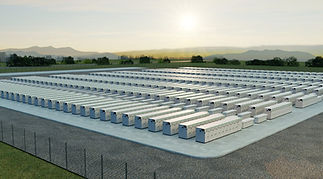
Six new battery projects set to support South Australian energy prices
A proposal has been put forward for the development of six new large-scale battery projects in South Australia, aimed at improving system reliability and helping to ease pressure on electricity prices during peak demand periods. The initiative reflects the continued expansion of storage capacity as the state’s energy system becomes increasingly reliant on variable renewable generation.
The new battery projects are intended to strengthen the ability of the grid to store excess renewable energy during low-demand periods and discharge it during evening peaks, when prices and demand are typically highest. This is expected to improve market stability and reduce the frequency of short-duration price spikes.
What this means
The expansion of battery capacity is expected to improve system flexibility and reduce reliance on high-cost peaking generation during tight supply periods. Over time, this can help moderate extreme price events, particularly during hot summer peaks and low wind conditions.
However, while additional storage improves system resilience, it does not remove volatility entirely, and pricing will still be influenced by weather conditions, demand spikes, and interconnector flows.
The Australian Energy Regulator (Australian Energy Regulator) has finalised the Default Market Offer (DMO) for the 2026–27 financial year, setting benchmark electricity prices that will apply to standing offer customers in New South Wales, South Australia, and south-east Queensland.
The final determination highlights a divergent outcome between customer groups, with households generally facing different price movements compared to small business customers. The AER noted that underlying cost drivers, particularly network charges, wholesale costs, and retail operating costs, continue to vary significantly between residential and business tariff structures, leading to uneven impacts across segments.
What it means for businesses
For small business customers, the DMO acts as a reference point that can influence retail pricing even for market contracts. Changes in the DMO can signal broader cost pressures or easing conditions across the electricity supply chain, particularly in network and wholesale components.
Key implications include:
-
Potential flow-on effects into retail contract pricing benchmarks
-
Greater importance of comparing market offers vs standing offer benchmarks
-
Continued divergence between residential and small business cost structures
-
Increased need to review network tariff alignment and contract timing
-
Retailers may adjust pricing strategies in response to updated DMO benchmarks


The South Australian Government's 2026–27 State Budget included funding for a new Gas and Water Security Fund, designed to strengthen the state's resilience against future energy and resource supply disruptions. The initiative forms part of a broader strategy to improve long-term energy security and reduce exposure to volatility in global energy markets.
The fund is intended to support critical infrastructure, strategic planning, and projects that enhance the reliability of essential services. While the immediate focus is on strengthening security and preparedness, the measure also reflects growing recognition of the role that gas continues to play in supporting electricity reliability during the energy transition.
.
What it means for businesses
The new Gas and Water Security Fund highlights South Australia's commitment to strengthening energy security while navigating the transition to a lower-emissions energy system. Although the initiative is not a direct pricing measure, it supports the long-term reliability and resilience of the state's energy infrastructure.