


TTEG Editorial
By Craig Marschall, TTEG's Managing Director
The energy market continues to change!
What has become even more apparent is that businesses need an Energy Procurement Strategy (EPS) in place and that all pricing aspects need to be included.
Importantly, as markets are continually changing, your EPS needs to consider up to 24 months in advance and also be regularly reviewed.
Why? An example is until recently most markets exhibited backwardation, that is lower prices in outer years. But recently we have seen several markets revert to the “traditional” higher prices in outer years.
If decisions have been delayed or left to drift, this shift can become costly. The good news is that there are proven strategies available to manage and mitigate these pricing risks.
TIP: Your Energy Procurement Strategy is ultimately about managing timing and risk.
Delaying your decision, especially in a market prone to sudden swings, can leave your business exposed to sharp cost increases and limited contract options.
From my experience there is less than 1% of end users that capable of developing and managing their own EPS.
So if you are unsure of your current position or do not yet have a strategy in place, we are here to help. Contact us for a free bill check or to discuss a tailored EPS.
At TTEG, we take a strategic, forward-looking approach. With over 100 years of combined experience, we help businesses plan 18 to 24 months ahead of their contract expiry, giving us time to track the market, assess your options, and act with confidence.
TIP: Not having an Energy Procurement Strategy in place can cost you plenty
About this Newsletter
Apart from our pricing charts and comments there is a lot of market related information in this edition.
As a minimum, I recommend a look at the pricing charts in the National section and consider if your EPS requires a review.
If you would like to discuss what these trends mean for your business, or would like us to review your current contract position and risk exposure, our team is here to help.
Contact us to arrange a strategy review or market discussion.
NEXT MONTH
Over the years we have seen many instances where manufacturing businesses have been hammered with high network connection set-up costs and/or ongoing demand charges simply because they did not understand the connection process and the costs are determined.
We will provide some tips next month.
National energy market
A New Year & a Strong Summer Start
As we progress through the early months of 2026, summer trading conditions are reinforcing several structural shifts underway across the National Electricity Market (NEM).
The dominant themes remain consistent:
-
Strong renewable generation during daylight hours
-
Growing reliance on storage and fast-response firming capacity
-
Persistent pricing volatility during evening peaks
Across most regions, adequate baseload availability, strong rooftop solar output, moderate wind variability and solid interconnector performance have supported broadly balanced supply-demand conditions. However, the daily transition from solar-driven oversupply to post-sunset demand remains the defining operational challenge of the system.
The NEM is increasingly operating in a structural “duck curve” environment — characterised by:
-
Depressed or negative daytime prices
-
Steep ramping requirements in the late afternoon
-
Higher volatility between 5pm–9pm
Grid-scale batteries continue to play a growing role in managing this shift. Over 15GW of storage capacity is now either under construction or financially committed nationally, with additional projects progressing toward final investment decision. Large-scale solar additions remain strong, although connection constraints and curtailment risks are influencing project timelines.
Interconnection and transmission development remains critical. Project momentum continues on major infrastructure including Marinus Link (VIC–TAS), with delivery still targeted toward the latter part of this decade, subject to staged construction milestones.
Wholesale Spot Market Overview
Wholesale pricing throughout summer has continued to demonstrate widening intraday spreads, particularly during warmer weather events.
New South Wales: Strong solar output has consistently suppressed daytime pricing. However, network constraints and elevated evening demand have resulted in intermittent price spikes. Coal fleet availability has been relatively stable compared to prior summers, though outages remain a key risk factor.
Victoria: Conditions have been balanced overall. Solar and wind have moderated daytime prices, while scheduled thermal maintenance and occasional lower wind periods have supported evening firming. VIC continues to rely on imports during tighter intervals.
Queensland: Queensland remains one of the NEM’s most pronounced duck-curve markets. High rooftop and utility-scale solar penetration regularly pushes midday pricing toward zero or negative territory. Evening air-conditioning load continues to drive sharp ramping events and higher peak pricing.
South Australia: South Australia continues to record some of the lowest daytime prices nationally, including frequent negative intervals during strong wind and solar periods. When wind output softens, reliance on imports from Victoria increases, reinforcing the value of storage and firming assets.
Western Australia: Within the SWIS, strong rooftop solar continues to suppress daytime wholesale pricing. However, limited renewable output after sunset combined with elevated cooling demand has supported noticeable evening peaks. Battery participation in WA is steadily increasing but remains smaller relative to the eastern NEM states.
Futures Market Overview
Forward markets have stabilised across most states as summer matures. The downward trend observed through late 2025 has paused, with Q3 and Q4 2026 strips flattening.
Historically, this late-summer window often precedes gradual upward pressure into autumn and winter as:
-
Cooling demand subsides
-
Market attention shifts toward winter reliability
-
Outage schedules tighten reserve margins
Retailers are displaying increasing selectivity in tender participation. Some are declining to price complex or large-volume tenders, indicating a competitive but capacity-constrained contracting environment.
For businesses approaching renewal in 2026, this remains a strategically important decision window.
Generation Mix
Renewables continue to lead the generation mix during daylight hours, with rooftop solar playing a dominant role across all mainland regions.
Wind variability remains the largest short-term driver of pricing volatility. Thermal fleet maintenance, particularly across coal assets, continues to influence dispatchable capacity margins.
-
New South Wales: Coal generation remains the backbone of reliability, though tighter evening supply conditions persist during maintenance periods.
-
Victoria: Reduced thermal availability during scheduled works has occasionally tightened supply, partially offset by strong renewable output.
-
Queensland: Solar remains dominant during the day. Coal unit outages reduce flexibility during peak ramp periods.
-
South Australia: Wind variability continues to drive wide price ranges — from sustained negative daytime pricing to sharp post-sunset peaks.
-
Western Australia: Maintenance cycles and variable wind conditions continue to influence evening dispatch requirements.
TTEG Recommendations
February confirms a clear shift in how businesses should think about energy costs in 2026, it’s no longer just about how much energy you use, but when you use it.
Strong solar generation continues to push daytime wholesale prices down across the mainland, creating real cost opportunities for businesses that can shift high-load activities into late morning and early afternoon. Manufacturing runs, refrigeration, pumping, heating, and other intensive processes are increasingly cheaper during daylight hours.
At the same time, evening exposure is becoming the biggest cost risk. Between 5pm and 9pm, as solar output drops away and the market relies more on gas and thermal generation, prices can lift quickly. Even short periods of high pricing during these peak windows can significantly impact monthly energy costs for businesses with inflexible or after-hours operations.
The good news is that there are practical ways to respond. Businesses are increasingly looking at load shifting, demand response participation, solar optimisation, and battery storage to capture low-cost daytime energy and reduce peak period exposure.
With forward markets stabilising after recent declines and retailers becoming more selective in pricing tenders, now is an important time to review procurement strategies and lock in favourable positions before seasonal price pressure potentially returns.
If you haven’t reviewed your energy strategy recently, this is a strong opportunity to do so.

ELECTRICITY FUTURE PRICING CHARTS


New Wholesale Price Reporting Rules Take Effect
The Australian Energy Regulator (AER) finalised revised Significant Price Reporting Guidelines on 20 January 2026, replacing the previous threshold‑based approach with a principles‑based method for identifying and reporting significant electricity wholesale price outcomes. These updated guidelines take effect from 1 January 2026 and change how high‑price events are selected for reporting, focusing on the highest 30‑minute prices in each month and quarter while allowing flexibility to report other consequential price outcomes. The AER’s revised approach aims to improve transparency and stakeholder understanding of the drivers behind significant price events in the National Electricity Market.
WHAT does this mean for businesses
For large energy users, the updated reporting guidelines mean better insight into what drives extreme price outcomes, as the framework now identifies the most impactful price days each quarter rather than relying on a fixed threshold. This enhanced transparency can support improved risk management and procurement decision‑making, as users will have clearer context on the conditions associated with high price events. It also provides a stronger evidence base for evaluating exposure to volatility and negotiating contract terms that reflect real market behaviour rather than arbitrary reporting cut‑offs.
Frequency Performance Payments (FPP) Now on Your Bill
A new charge called Frequency Performance Payments (FPP) has appeared on electricity invoices from December 2025 as part of the Ancillary Services Charges (ASC). FPP was introduced by the Australian Energy Market Operator (AEMO) in June 2025 to financially reward or penalise market participants, including generators, batteries, and large energy users, based on their real-time impact on grid frequency. The reform aims to support the standard 50 Hz operating frequency, encourage behaviours that improve system stability, provide clear investment signals for fast-response technologies, and enhance overall reliability as renewable generation grows.
While FPP only started in June 2025, some retailers were initially unable to bill for it. December 2025 invoices may therefore include a one-off adjustment for charges accrued from June to December 2025, along with the ongoing monthly inclusion of FPP. The charge is included within the ASC line item, meaning it is not retailer-specific but a market-wide cost that varies depending on usage patterns and system conditions. For large energy users, this means your electricity costs may now reflect the value of services that maintain grid stability, highlighting the increasing importance of flexible consumption and fast-response technologies in managing bill impacts.


Sembcorp to Purchase Alinta, Accelerating Renewables in Australia
Singapore-listed Sembcorp Industries has agreed to purchase Australia’s fourth-largest energy company, Alinta Energy, in a A$6.5 billion deal, giving it a substantial foothold in the Australian energy market. The transaction provides Sembcorp with a scalable platform for expanding renewable energy, storage, and low-carbon solutions across the country, while also taking ownership of Alinta’s coal, gas, wind, and solar generation assets, including Loy Yang B in Victoria, which supplies around 20% of the state’s energy demand.
WHAT does this mean for businesses
For large energy users, this is significant. The deal strengthens Alinta’s financial backing and supports ongoing investment in renewables, storage, and firming assets, which could improve supply reliability and grid stability. As Sembcorp rolls out new renewable and storage projects, businesses may benefit from increased access to flexible and competitively priced energy, particularly for customers with high or flexible consumption patterns. At the same time, Alinta’s continued operation of existing baseload and system-supporting assets provides certainty for energy security, helping mitigate risks from peak-demand periods or supply volatility.
The transaction is expected to be completed in the first half of 2026, subject to regulatory and shareholder approvals, and aligns with Australia’s broader energy transition goals, including 82% renewables by 2030 and a legislated net-zero target by 2050.
Battery Storage Comes Into Focus During Peak Demand
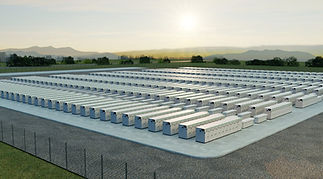
Battery storage continued to play a central role in market behaviour throughout February, reinforcing the structural shift seen earlier this summer. With strong rooftop and large-scale solar output suppressing daytime wholesale prices across the National Electricity Market, batteries consistently charged during low or negative pricing intervals before discharging into the late afternoon and evening peak. This daily arbitrage cycle has become more predictable and increasingly influential in shaping intraday price spreads.
Trading patterns highlighted the widening gap between abundant midday supply and post-sunset firming requirements. Batteries responded rapidly to short volatility events, particularly during warm evenings when air-conditioning demand lifted sharply. While storage has moderated some extreme price spikes, it has not eliminated evening firmness, instead, it has shortened the duration of high-price events while keeping peak intervals materially more expensive than daytime energy.
The development pipeline for new storage projects remains strong, with continued investment in grid-forming and longer-duration assets. These technologies are increasingly important as thermal units undergo maintenance or approach retirement, and as the system requires faster ramping capability to manage the solar drop-off. February conditions reinforced the commercial case for storage: volatility remains frequent enough to support arbitrage returns, and system stability requirements continue to grow.
WHAT does this mean for businesses
February confirms that evening exposure remains the primary cost risk in 2026. While structurally lower daytime pricing is now embedded in the market, peak-period energy continues to carry a premium. Batteries are helping to smooth volatility, but they are not removing the underlying price differential between midday and post-sunset consumption.

AER released Annual Retail Markets Report - Rates, Higher Exposure
The Australian Energy Regulator (AER) released its Annual Retail Markets Report 2024–25, which highlighted that median market offers for electricity and gas had declined, reflecting increased competition and lower available retail rates across much of the energy market. At the same time, the report showed that average customer energy debt had increased, largely because government rebates earlier in the reporting period reduced smaller debts, leaving a smaller number of larger outstanding balances.
The AER also noted that household and small business customers continued to engage with retailers’ payment plans and hardship programs, but the overall trend of higher average debt suggests ongoing affordability stress for a segment of consumers.
WHAT does this mean for businesses
While falling median market offers suggest that retail competition is helping to keep energy prices more competitive, the rise in average customer debt highlights broader affordability pressures in the market. For large energy users, this signals that energy retailers may increasingly focus on risk-based pricing and contract structures, particularly for peak-demand or high-consumption customers. Understanding these dynamics and maintaining flexible procurement strategies is important to manage exposure to market volatility and ensure cost certainty.
Renewables Approvals Hit Record Levels in 2025
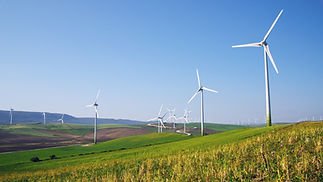
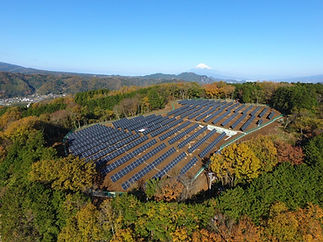
In a year‑in‑review the Albanese Government reported that Australia approved a record number of renewable energy projects in 2025, with 54 new projects added to bring the total approved since 2022 to 123 across all states and territories. These projects are expected to generate enough clean electricity to power more than 5 million households and cut over 30 million tonnes of CO₂ emissions annually, equivalent to removing around 9 million cars from the road. The surge in approvals reflects strong investment momentum across solar, wind and storage technologies and underpins continued expansion of renewable capacity in the National Electricity Market.
WHAT does this mean for businesses
This acceleration of renewable project approvals signals growing supply diversity and increasing penetration of low‑carbon generation, which is likely to put downward pressure on wholesale daytime prices over time. A larger renewables fleet also supports grid resilience and helps reduce reliance on ageing thermal plants, but it reinforces the need to think about evening peak risk and firming strategies as variable generation becomes more prominent. Increased capacity from solar, wind and storage can also improve contract options and flexibility for businesses seeking to align procurement with renewable supply patterns.
GenCost Confirms the Renewables Advantage
The GenCost 2025–26 Draft Report was released for public consultation by Australia’s national science agency CSIRO and the Australian Energy Market Operator (AEMO). The report provides the latest independent assessment of the capital and delivered costs of new‑build electricity generation technologies, continuing its annual role as a benchmark for planners, investors and policymakers.
The 2025–26 draft introduces a new System Levelised Cost of Electricity (SLCOE) method alongside the traditional levelised cost of electricity (LCOE) approach. This expanded modelling framework examines not just technology‑specific costs but the costs of entire generation mixes across different emissions scenarios, and is supported by an open‑source Simple Electricity Model (SEM) that improves transparency and accessibility for industry users.
Key findings show that solar PV and onshore wind remain the foundation of the lowest‑cost generation mix, reinforcing their central role in Australia’s transition toward higher renewable penetration. The draft also highlights continued significant cost reductions in battery technologies, although large‑scale solar costs rose slightly and onshore wind costs showed tentative signs of stabilising. In contrast, costs for nuclear, coal and gas open cycle technologies increased due to higher equipment and turbine costs.
The report estimates that achieving Australia’s legislated 82 % renewable energy target by 2030 would result in an average cost of around $91/MWh including transmission (or around $81/MWh for generation alone). By 2050, the projected system cost for reaching net‑zero emissions ranges from $135–$148/MWh including transmission.
WHAT does this mean for businesses
The GenCost 2025–26 Draft Report shows that renewables and storage are now the lowest-cost sources of electricity. This means daytime prices will stay relatively low, but evening peaks remain costly. Managing load timing and using flexible contracts or demand strategies will be increasingly important to control costs and reduce exposure to volatility as the market transitions to higher renewable penetration.
Gas market update
Stable Wholesale Prices Across Most Regions
February 2026 has seen wholesale gas prices across Australia’s east coast remain broadly stable, with only brief periods of volatility during hotter weather events. While electricity demand remained elevated at times due to late-summer heat, gas demand for power generation was more measured than in peak January conditions. Storage levels remain healthy and contract cover appears adequate, helping to keep spot pricing close to seasonal norms. Queensland and New South Wales experienced minor price firming during short heatwave intervals when gas-fired generation was called upon to support evening electricity peaks, but overall market behaviour has been more balanced than in previous high-volatility summers.
Impact of Domestic Supply and LNG Exports
Production from the Surat and Cooper Basins continues to perform steadily, supporting domestic availability. LNG exports from Gladstone remain strong, aligned with international contract commitments, but global LNG pricing has moderated compared to prior volatility cycles. This has reduced pressure on east coast wholesale gas markets. The relative stability in international benchmarks, combined with consistent domestic production, has lowered the likelihood of sharp price spikes during February, although exposure remains during extreme demand events or unplanned outages.
Policy and Regulatory Updates
The Australian Energy Regulator continues oversight of wholesale and retail gas markets, with no new major regulatory interventions introduced in February. Ongoing federal discussions around domestic gas security mechanisms and longer-term supply adequacy remain relevant, particularly as policymakers balance LNG export commitments with domestic affordability. Gas-fired generation continues to play a firming role in the broader energy transition, especially during evening electricity peaks across the National Electricity Market.
Implications for Businesses
February conditions reinforce the importance of proactive gas procurement strategy. While wholesale pricing has been stable, reliance on gas-fired generation during evening electricity peaks highlights the system’s continued exposure to short-term volatility.
